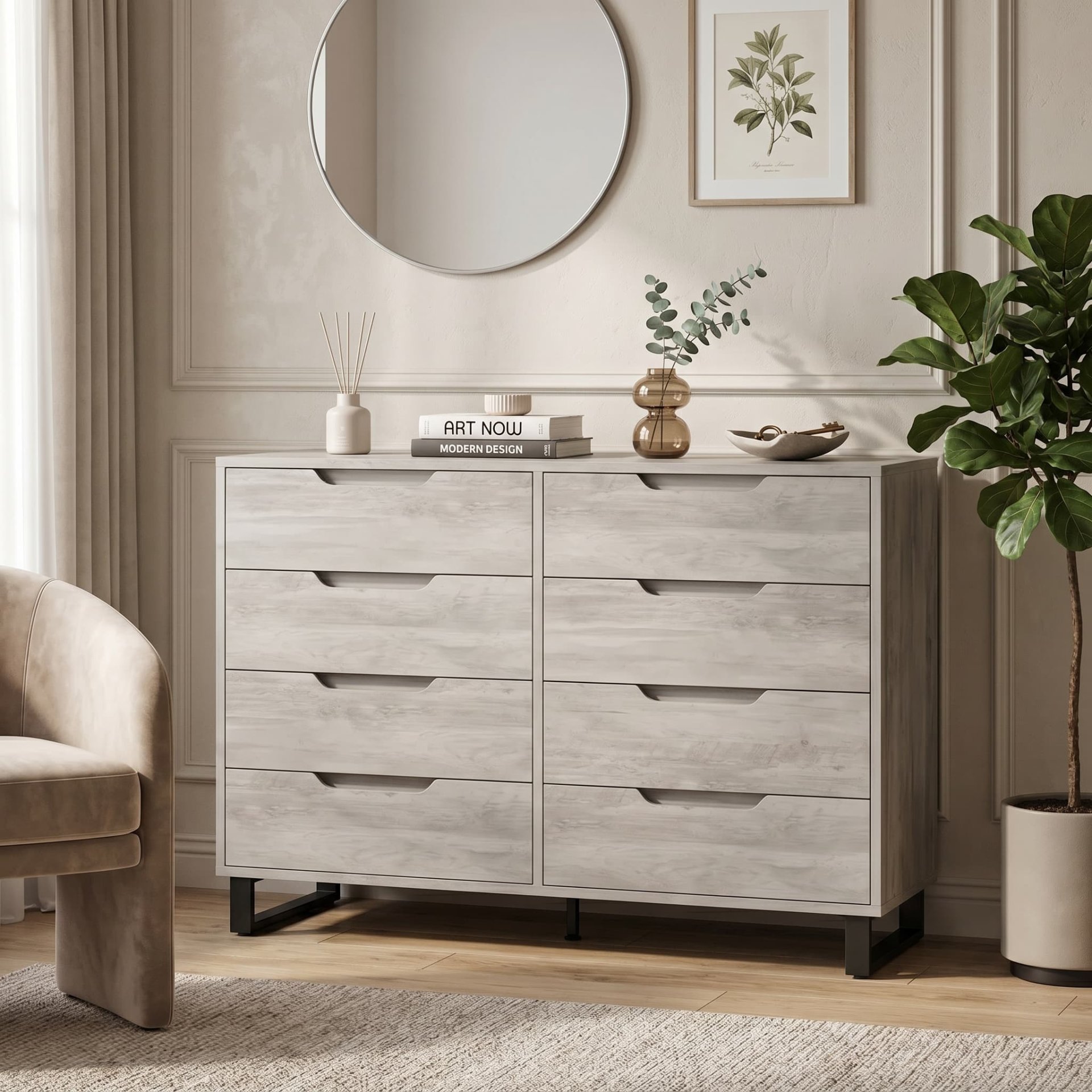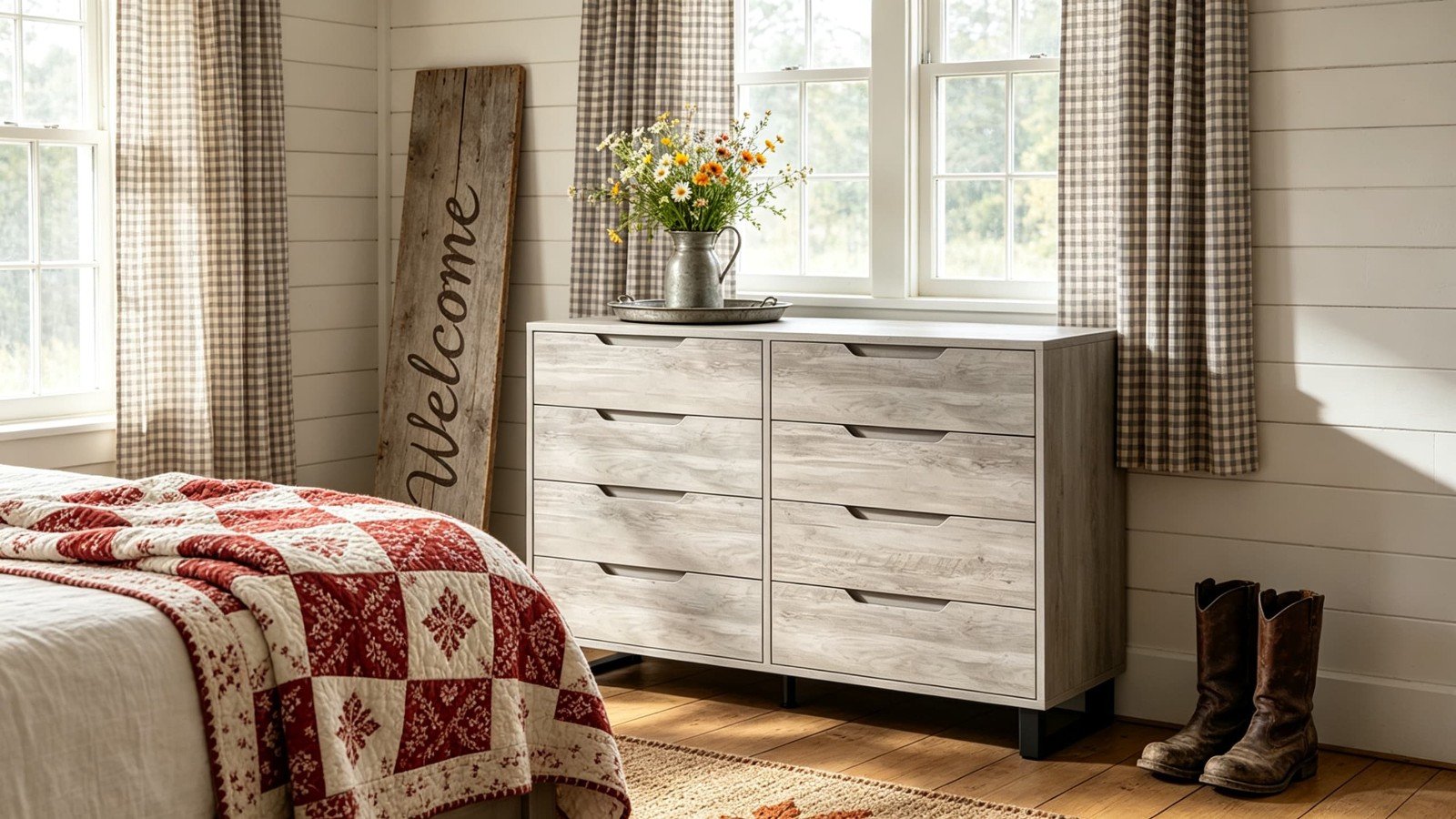
Choosing the right size dresser chest is one of the most important decisions when planning a comfortable, organized bedroom. A dresser that is too small quickly runs out of storage, while one that is too large makes the room feel cramped and difficult to move around.
For bedroom furniture buyers, retailers, and project managers, understanding dresser sizing is essential to avoid returns, complaints, and layout problems. This guide walks you through how to measure your space, estimate storage needs, and match different dresser sizes and drawer counts to real-life bedroom scenarios. It also shows how 4‑drawer, 6‑drawer, and 8‑drawer dressers can work together in a product range, using Fenzo Furniture’s flat‑pack engineered wood dressers as practical examples.
Key Size Basics: Height, Width and Depth
Before looking at specific products, it helps to understand how dresser proportions affect both storage and usability.
Height
The height of a dresser affects how easy it is to reach the top surface and how it lines up with mirrors, windows, or wall art. Lower, wider dressers often sit around hip height, making them ideal for folding clothes or placing a table mirror. Taller chests take advantage of vertical space and suit small rooms where floor area is limited.
Width
Width is the main factor that determines how much wall space a dresser will occupy. Wider dressers allow more drawers side by side, which increases storage capacity but also requires a longer free wall. In smaller bedrooms, a narrower chest can provide enough storage without overwhelming the room.
Depth
Depth influences both storage volume and circulation space in front of the dresser. Deeper units offer more room inside each drawer, but they also extend further into the room. When planning depth, always consider the space needed to open drawers fully and still walk or stand comfortably in front of the dresser.
A simple rule of thumb: after placing the dresser, ensure there is still generous clearance between the open drawer front and the bed or opposite wall so users can move safely and comfortably.
Who Is Searching for “What Size Dresser Do I Need?”
Understanding user profiles helps you design and select the right product mix.
End consumers buying online: They often have a fixed bedroom and are nervous about choosing the wrong size. They need clear dimensions, layout guidance, and photos that show scale.
Furniture retailers and e‑commerce sellers: They need reliable, standard sizes that work for mainstream bedroom layouts. A balanced range of 4‑drawer, 6‑drawer, and 8‑drawer units helps them cover different room sizes and budgets.
Interior designers and stylists: They look for dressers that fit proportions, align with beds and wardrobes, and offer enough storage for their clients’ lifestyles.
Project buyers (hotels, serviced apartments, rental projects): They require repeatable, standardized dimensions so the same model can be installed across many rooms while staying within budget and installation time.
Across all these segments, the core needs are consistent: a dresser that fits the available space, offers sufficient storage capacity, and is easy to assemble, use and maintain.
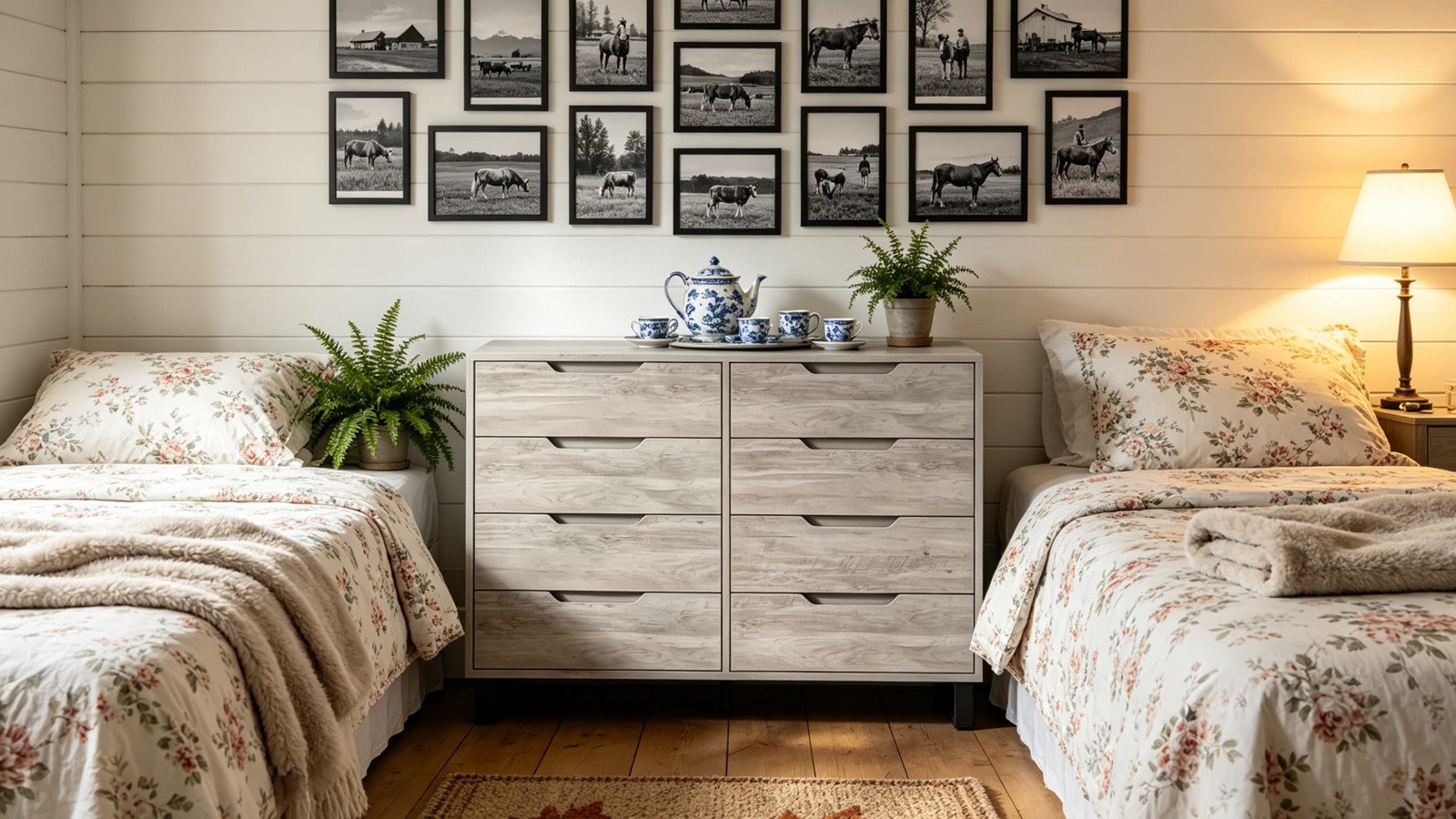
Four Measurement Steps Before You Choose Any Size
To avoid mistakes, follow these four steps before deciding on a dresser size.
Step 1: Measure the Bedroom and Main Furniture
Measure the overall room length and width, then mark out the positions of the bed, wardrobes, windows, doors, and radiators. This gives you a realistic picture of where a dresser can be placed without blocking access or natural light.
Step 2: Measure the Available Wall Space
Identify the wall section where the dresser will stand and measure:
Available width between any obstacles (doors, wardrobe edges, corners)
Available height, especially if there is a window sill, socket, or wall shelf
Available depth from the wall to the closest object (bed edge, opposite wall)
This tells you the maximum footprint your dresser can occupy.
Step 3: Check Circulation and Drawer Opening Space
Once you know the depth, calculate how much space will remain between the dresser and the bed or opposite wall when drawers are fully open. Ideally, there should still be comfortable standing room so users can bend, sort, and store clothes without bumping into other furniture.
Step 4: Estimate Storage Needs by Users and Clothing Types
Think about:
How many people use the bedroom (single, couple, children)
What will be stored in the dresser: underwear, T‑shirts, knitwear, jeans, pyjamas, bedding, accessories, or mixed items
Whether seasonal clothes will also be stored in the dresser or mainly in a wardrobe
This will guide how many drawers are needed and whether a compact 4‑drawer model or a larger 8‑drawer unit is more appropriate.
Matching Dresser Sizes to Bedroom Types
Different room sizes call for different dresser proportions. Here is a practical way to think about it.
Small Bedrooms
For compact rooms, floor area is limited. The best option is usually a taller, narrower chest rather than a wide dresser.
Narrow width reduces wall usage
Taller height adds extra drawer levels without taking more floor space
Ideal for guest rooms, children’s rooms, and city apartments
In these spaces, 4‑drawer or slim 5‑drawer chests are common because they offer enough storage for a single person or occasional guests without blocking circulation.
Medium Bedrooms
Medium‑sized rooms can often accommodate either a taller chest or a lower, wider dresser. Here, the dresser frequently acts as a secondary storage piece and sometimes as a display surface.
A 6‑drawer dresser with a moderate width is a strong all‑round choice
It suits couples or individuals with more clothing
The top surface provides space for decor, a table mirror, or small electronics
This type of room is where a standard horizontal dresser performs best, offering a good balance of storage, surface area, and visual proportion.
Large Bedrooms and Master Suites
In larger rooms, the dresser becomes part of the overall design statement. There is enough space to use one wide dresser or even a combination of a wide dresser plus a tall chest.
8‑drawer dressers work well here, especially under a wall‑mounted TV or large mirror.
Extra width and additional drawers let users separate clothing by category.
The dresser can visually anchor a long wall or the end of the bed.
For project buyers, master suites in hotels or long‑stay apartments often benefit from a wider dresser that doubles as both storage and a visual focal point.
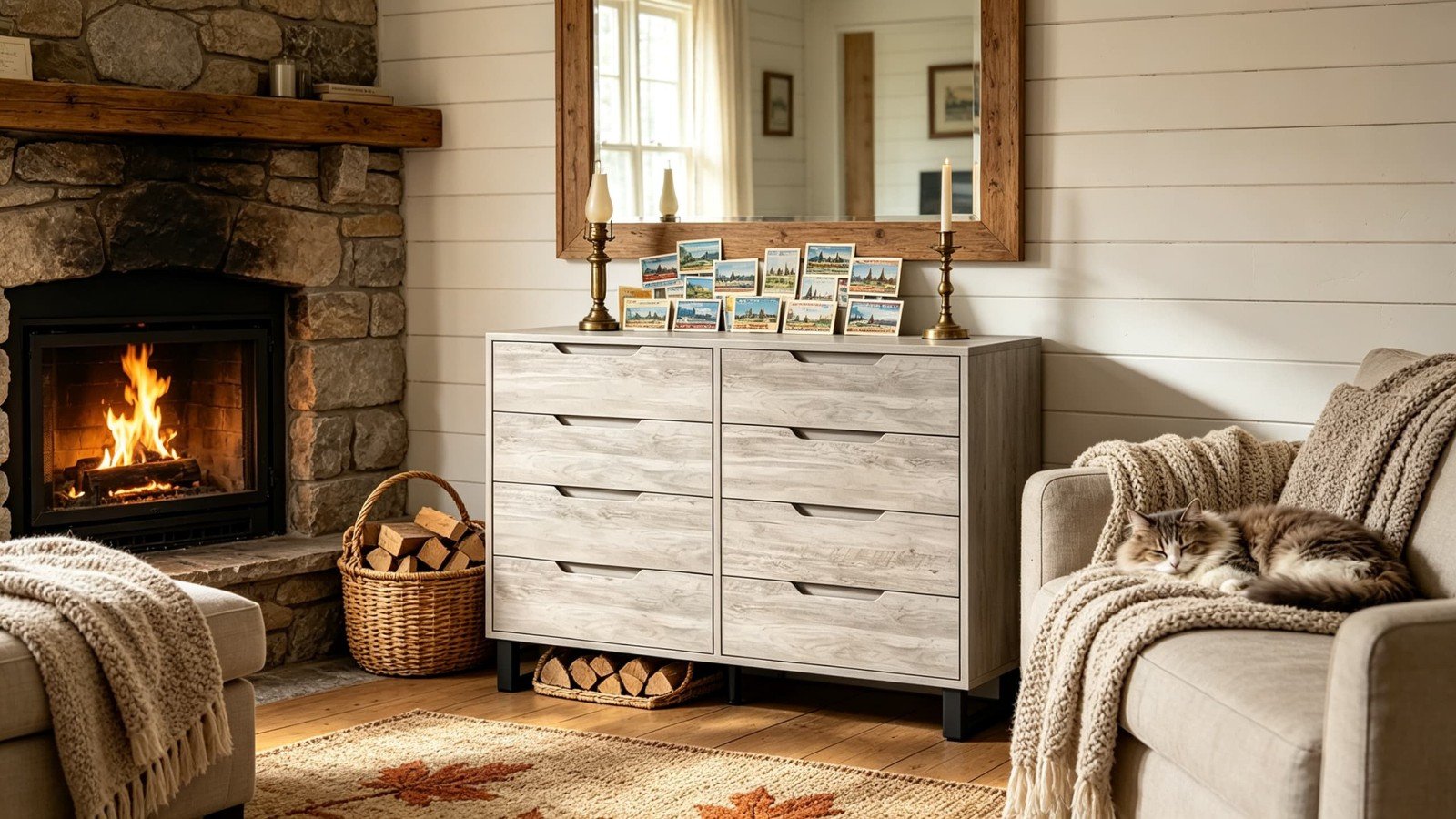
How Many Drawers Do You Really Need?
Drawer count is an easy way for buyers and end users to understand storage capacity. Different counts suit different scenarios.
4‑drawer dressers: Ideal for single users, guest rooms, or children’s rooms. They provide enough space for daily basics without occupying too much wall length. A 4‑drawer chest can also complement a built‑in wardrobe.
5‑drawer or tall chests: Great for small‑to‑medium bedrooms where vertical storage is needed. Five drawers allow more categories, such as separating underwear, tops, bottoms, and seasonal items.
6‑drawer dressers: A classic choice for main bedrooms, balancing capacity and footprint. Two columns of three drawers each make it easy to divide storage between two users or between different clothing categories.
8‑drawer dressers: Designed for high storage needs, large families, or premium master bedrooms. With four drawers per side, they offer fine‑grained organization and work particularly well for project and hospitality settings.
For retailers and B2B buyers, stocking a mix of 4‑drawer, 6‑drawer, and 8‑drawer models lets you serve different room sizes, budgets, and customer types with a coherent, scalable product range.
Case Study: 6‑Drawer and 8‑Drawer Dressers
Fenzo Furniture supplies flat‑pack, engineered wood dressers designed for global wholesale, e‑commerce and project buyers. Two popular configurations in the range are 6‑drawer and 8‑drawer models, which can be used as anchor pieces in any dresser assortment.
Fenzo 6‑Drawer Dressers: The All‑Round Bedroom Workhorse
Fenzo’s 6‑drawer dressers are horizontally oriented units that offer a generous top surface and a balanced width suitable for most medium bedrooms.
Typical characteristics include:
Two columns of three drawers each, allowing users to separate his/hers clothing or divide items by category
An ergonomic height that works naturally as a folding surface or as a base for a mirror
A flat‑pack structure for efficient shipping and easy assembly in apartments, homes, and hotel rooms
These dressers are ideal for couples in standard bedrooms who need a primary clothing storage unit, tenants and homeowners who want a dresser that doubles as a display surface, and retailers and online sellers looking for a mainstream “one‑size‑fits‑most” dresser option.
Because the 6‑drawer format is familiar to consumers worldwide, it also reduces the risk of mis‑sizing and makes it easier to communicate dimensions and usage in product listings.
Fenzo 8‑Drawer Dressers: For High Storage and Larger Bedrooms
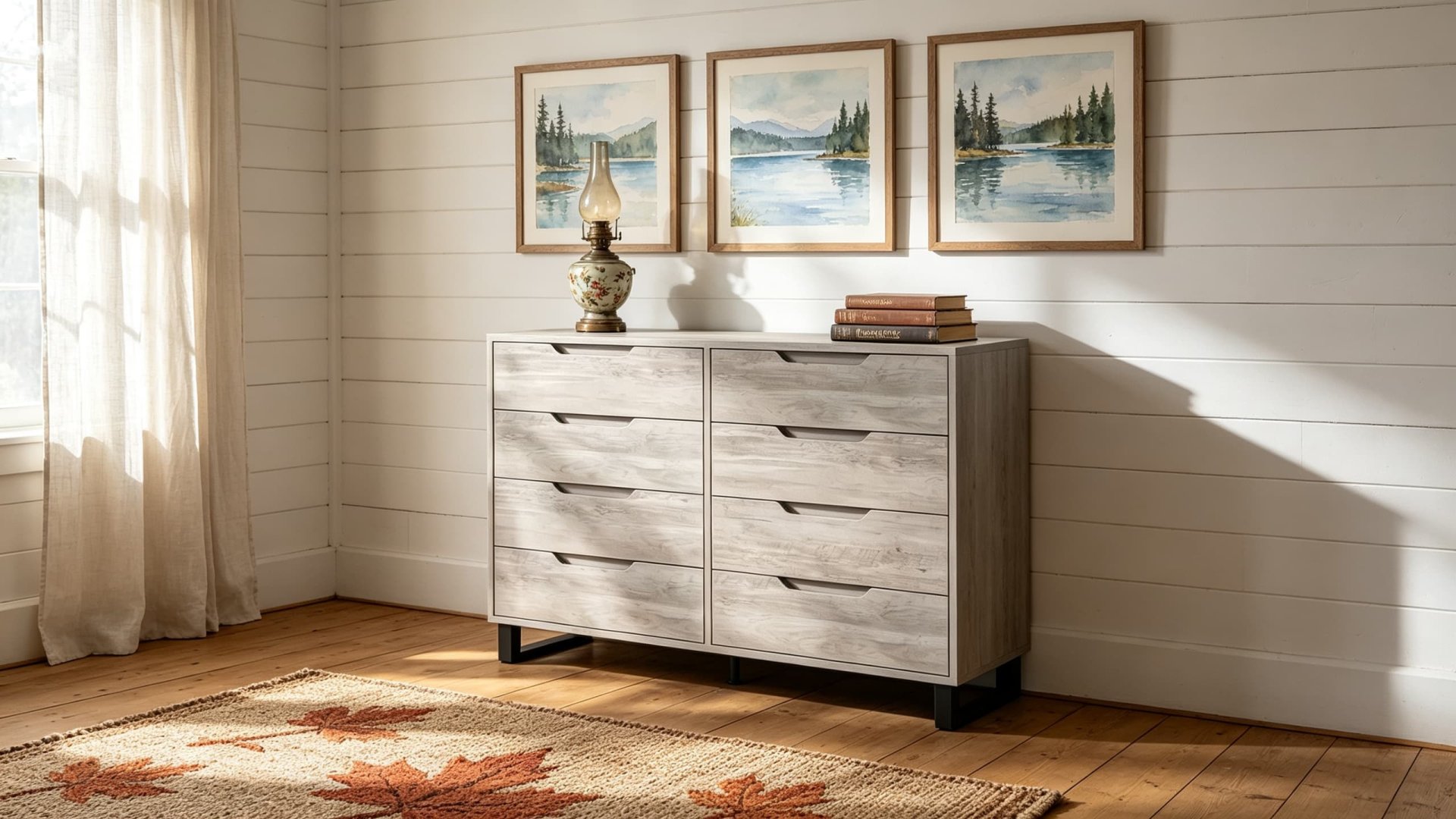
Fenzo’s 8‑drawer dressers offer a wider footprint and four drawers per side, giving users more compartments for detailed organization.
Typical characteristics include:
Extended width that suits larger walls or the space at the foot of a king‑size bed
Additional drawers that can hold separate categories like casual wear, formal wear, sports clothing, and accessories
Engineered wood construction with a flat‑pack design, optimizing container loading and warehouse space
These 8‑drawer units are ideal for master bedrooms in family homes, serviced apartments and hotel suites needing robust, repeatable storage across many rooms, and retailers positioning a “premium capacity” dresser above their standard 6‑drawer models.
Choosing Between 6‑Drawer and 8‑Drawer Models
Here are simple decision rules for buyers and projects:
Based on room size: Small to medium bedrooms prioritize 4‑drawer or 6‑drawer units, while large bedrooms and suites make better use of 8‑drawer units.
Based on number of users: Single users or guest rooms can choose 4‑drawer or compact 6‑drawer models, while couples and families can select 6‑drawer for standard needs and 8‑drawer for high storage.
Based on product range strategy: Use 4‑drawer and 5‑drawer models as entry‑level or guest room options; position 6‑drawer as the core, high‑volume SKU; and offer 8‑drawer dressers as a higher‑ticket upsell for customers who need extra capacity.
By combining these models, retailers and project buyers can create a layered assortment that covers most bedroom layouts with minimal complexity.
Quick Checklist Before You Order
Use this checklist to validate your size selection before placing a purchase order or launching a new dresser listing:
Have you measured the available wall width and checked that the dresser plus some clearance will fit?
Have you confirmed there is enough depth and front clearance to open drawers fully and still walk comfortably?
Have you matched drawer count (4, 5, 6, or 8) to the number of users and their clothing volume?
Have you decided whether the dresser will stand beside the bed, at the foot of the bed, or on another wall?
Have you considered how the dresser height aligns with existing mirrors, wall art, or windows?
For projects and B2B orders, have you standardised on a few key sizes to simplify installation and inventory?
If you can answer yes to each of these points, your dresser size choice is much more likely to work in real‑world bedrooms.
FAQ:
1. What are the typical size ranges for bedroom dressers?
Bedroom dressers usually fall into a broad range of heights, widths, and depths that suit standard bedrooms. Lower, wider dressers tend to sit around hip height with a moderate depth, while taller chests reach higher but stay narrower in width. When in doubt, confirm that the dresser’s width and depth will fit your chosen wall and still leave comfortable circulation space.
2. How do I choose between 4‑drawer, 6‑drawer, and 8‑drawer dressers?
Think about both room size and storage needs. A 4‑drawer dresser suits guest rooms and small bedrooms with limited clothing, while a 6‑drawer dresser is a versatile option for everyday use in standard bedrooms. An 8‑drawer dresser is best for large bedrooms or users who prefer to separate clothing into many categories for easier organization.
3. What size dresser is best for a small bedroom?
In small bedrooms, prioritize space efficiency. Choose a narrower dresser or a tall chest with fewer but deeper drawers so you can store clothing vertically without blocking movement. Avoid extra‑wide units that run the full length of a wall, as they can overpower the room and make it feel crowded.
4. How much space should I leave between the dresser and the bed?
Allow enough room to open drawers fully and stand comfortably in front of the dresser. If drawers open directly towards the bed, measure from the wall to the bed edge and make sure the dresser depth plus open drawer distance still leaves walking space. This helps prevent users from bumping into furniture and makes daily use more ergonomic.
5. How do I balance dresser size with a wardrobe in the same bedroom?
Consider the wardrobe as your main hanging and bulk storage, and the dresser as a support piece for foldable items and smaller pieces. In compact rooms, pair a full‑height wardrobe with a slimmer dresser. In larger rooms, a 6‑ or 8‑drawer dresser can visually balance a full wardrobe wall while providing extra surface area for decor.
6. What dresser sizes work best in kids’ rooms or guest rooms?
Kids’ rooms and guest rooms typically do not require maximum storage. A 4‑drawer or slim 5‑drawer chest often provides enough capacity for basic clothing and spare bedding. The focus should be on keeping the room open for play, study, or luggage, so choose a compact dresser that leaves plenty of floor space.
7. How can I be sure an online dresser will actually fit my bedroom?
Always compare the published dimensions to your measured space. Mark the dresser width and depth on the floor with tape and simulate drawer opening by adding extra distance to the depth. This simple step helps visualize how much area the dresser will occupy and whether it will interfere with doors, beds, or windows.
8. As a retailer or project buyer, how many dresser sizes should I carry?
Most retailers and project buyers achieve good coverage with a focused range: one compact 4‑drawer model, one or two 6‑drawer dressers as core SKUs, and an 8‑drawer dresser as a higher‑capacity option. This structure keeps inventory manageable while allowing you to serve small bedrooms, standard rooms, and master suites without overcomplicating your assortment.
Explore Our Bedroom Dresser Catalog
You will see a filtered catalog of bedroom dressers and chests in multiple styles and sizes, with clear dimensions, packaging details, and B2B‑ready ordering information.