
OEM vs ODM Furniture: Which Manufacturing Solution Is Right for Your Business?
Choosing the right furniture manufacturing model is an important decision for retailers, wholesalers, importers, distributors, furniture brands, and e-commerce businesses.
When sourcing furniture from an international manufacturer, buyers often come across two terms: OEM and ODM.
Both models can help businesses develop furniture products, but they are not the same.
OEM furniture manufacturing generally allows a buyer to manufacture products according to its own designs, specifications, and requirements. ODM furniture manufacturing, on the other hand, allows a manufacturer to provide existing product concepts or development support that can then be customized for the buyer.
Understanding the difference between OEM vs ODM furniture can help businesses choose a manufacturing approach that matches their product development strategy, budget, timeline, and market position.
In this guide, we explain what OEM and ODM furniture mean, their advantages and differences, and how to choose the right furniture manufacturing solution for your business.
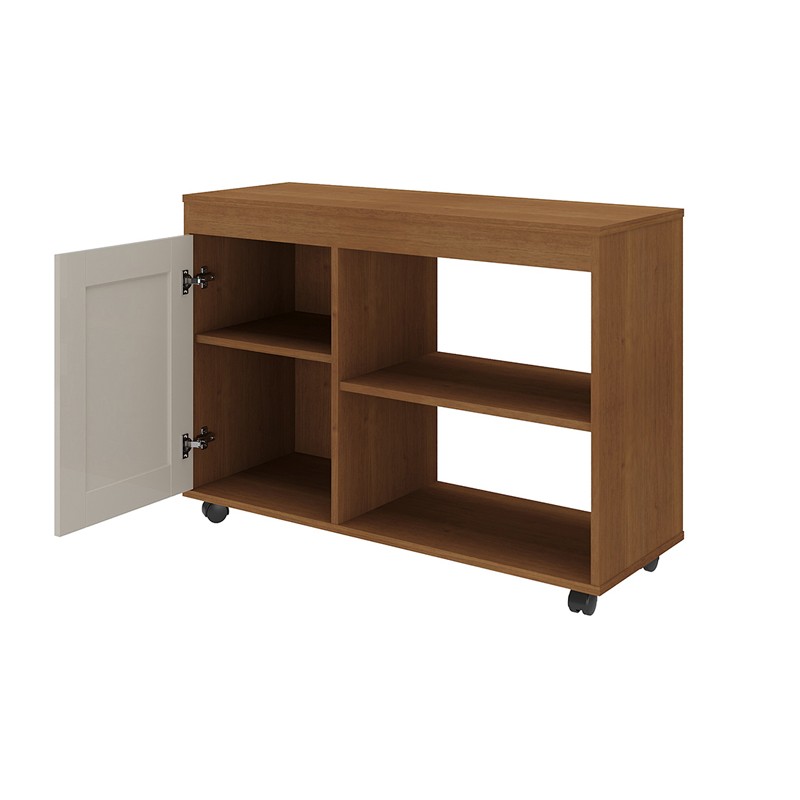
OEM stands for Original Equipment Manufacturer.
In furniture manufacturing, OEM typically means that the buyer provides the product concept, design, specifications, drawings, dimensions, materials, or other requirements, while the furniture manufacturer produces the product according to the agreed specifications.
For example, a furniture brand may already have its own design for a TV stand.
The brand may provide:
Product drawings
Dimensions
Material requirements
Color specifications
Surface finishes
Hardware requirements
Packaging requirements
Branding specifications
The manufacturer then uses its production capabilities to manufacture the product.
This model provides buyers with a high level of control over the final product.
OEM furniture can be particularly suitable for:
Established furniture brands
Retail chains
Private-label brands
Furniture designers
E-commerce companies with proprietary designs
Businesses with established product specifications
If a company already knows exactly what it wants to manufacture, OEM can provide a direct path from design concept to mass production.
ODM stands for Original Design Manufacturer.
With ODM furniture manufacturing, the manufacturer typically provides existing product designs, product concepts, or product-development capabilities.
The buyer can then select a product and customize it according to its target market or brand requirements.
Customization may include:
Dimensions
Colors
Materials
Surface finishes
Hardware
Product configuration
Packaging
Branding
This can allow businesses to develop new furniture collections without creating every product completely from scratch.
ODM can therefore be an attractive option for companies that want to launch or expand a furniture range more efficiently.
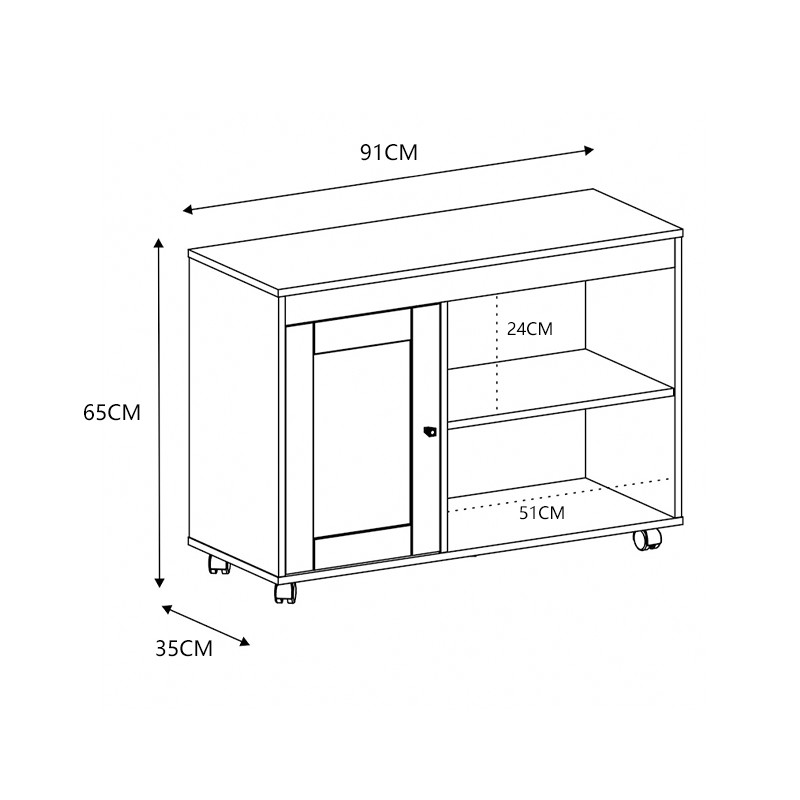
The biggest difference between OEM and ODM furniture is where the product design and development originate.
With OEM, the buyer generally leads the product design.
With ODM, the manufacturer contributes more directly to the product design or provides an existing product platform.
| Feature | OEM Furniture | ODM Furniture |
|---|---|---|
| Product Design | Buyer-led | Manufacturer-supported |
| Existing Product Designs | Not required | Often available |
| Customization | High | High |
| Product Development | Customer-led | Manufacturer-supported |
| Development Speed | Depends on design complexity | Often faster |
| Suitable For | Established brands | Retailers, e-commerce brands and new businesses |
| Brand Customization | Yes | Yes |
| Packaging Customization | Possible | Possible |
| Private Label | Possible | Possible |
Neither model is automatically better.
The right choice depends on your business objectives.
OEM furniture may be the better option when you already have a clear product concept.
For example, imagine that you operate an established furniture brand and want to launch a new collection of modern TV stands.
You may already have:
Product drawings
Exact dimensions
Material specifications
Color standards
Hardware requirements
Packaging design
In this situation, OEM manufacturing allows you to maintain control over the product while using an experienced furniture manufacturer’s production capabilities.
Greater Design Control
OEM gives the buyer greater control over product details. This is important for brands that want to create a unique product identity.
Suitable for Proprietary Designs
If your business has its own designs, OEM manufacturing can help translate those designs into scalable production.
Consistent Brand Identity
Furniture collections can be developed according to your existing brand guidelines. This may include:
Colors
Materials
Finishes
Dimensions
Hardware
Packaging
Suitable for Established Product Lines
OEM can work particularly well when a company already has proven products and wants to scale production.
ODM furniture can be more suitable when you want to develop a new collection but do not necessarily have complete product designs.
For example, an e-commerce brand may want to launch a collection of modern bedroom furniture.
Instead of developing every product independently, the business could work with an ODM furniture manufacturer that already has relevant product concepts.
The manufacturer can then help adapt the products to the brand’s requirements.
Faster Product Development
Starting from an existing product concept can reduce some of the early development work.
Lower Development Complexity
Businesses do not necessarily need to create every product detail from the beginning.
Access to Manufacturer Expertise
An experienced furniture manufacturer can contribute knowledge about:
Materials
Construction
Hardware
Production
Packaging
Assembly
Manufacturing efficiency
Suitable for New Furniture Brands
ODM can be useful for businesses entering the furniture market for the first time. It can also be suitable for retailers and e-commerce sellers expanding into new categories.
E-commerce businesses have unique furniture sourcing requirements.
They often need products that are:
Visually attractive
Easy to market online
Cost-effective to ship
Easy to assemble
Suitable for packaging
Consistent in quality
Adaptable to different markets
Both OEM and ODM can work for e-commerce businesses.
OEM may be suitable if the e-commerce brand already has its own product concept or wants to develop proprietary products. This can help create differentiation in a competitive market.
ODM may be suitable when an e-commerce company wants to launch a product range relatively quickly.
The manufacturer can provide product concepts while the brand customizes:
Colors
Materials
Dimensions
Finishes
Packaging
Branding
For many growing e-commerce businesses, ODM can provide a practical starting point before developing fully proprietary products.
For e-commerce furniture collections, explore Fenzo’s [Flat Pack Furniture] solutions.
Retailers often need to balance product differentiation with development efficiency.
A retailer may use OEM for flagship products or exclusive collections while using ODM for broader product categories.
For example, a retailer could develop:
OEM Collection
Exclusive TV stands
Proprietary coffee tables
Custom bedroom furniture
ODM Collection
Standard storage cabinets
Bookshelves
Bedside tables
Desks
This hybrid strategy can provide both differentiation and flexibility.
Wholesalers and importers often focus on product range, price competitiveness, packaging, and supply reliability.
ODM can be attractive because manufacturers may already have product concepts suitable for wholesale markets.
However, OEM can become more important when a wholesaler wants to develop an exclusive product collection.
The choice depends on:
Target market
Product positioning
Order volume
Product complexity
Customization requirements
Development timeline
Brand strategy
A reliable furniture manufacturer should be able to discuss both options with the buyer.
Customization is one of the most important considerations when choosing a furniture manufacturing partner.
Depending on the manufacturer and product, customization can cover many areas.
Furniture dimensions can be adapted for different:
Room sizes
Retail markets
Apartment types
Customer requirements
For example, a TV stand may need different widths for different regional markets.
Buyers may request specific materials or board specifications depending on:
Product positioning
Target price
Market requirements
Design requirements
Durability expectations
Surface finishes can significantly influence the appearance of furniture. Common options include:
Wood-look finishes
Matte surfaces
Gloss finishes
Solid colors
Natural wood tones
Hardware can also be customized depending on product structure and customer requirements. This may include:
Hinges
Drawer slides
Handles
Cam fittings
Connecting hardware
For modular or storage furniture, buyers may be able to customize:
Number of doors
Number of drawers
Shelving configuration
Cabinet dimensions
Open and closed storage combinations
Packaging is particularly important for international furniture businesses. Depending on the project, packaging can be adapted for:
Wholesale distribution
Retail stores
E-commerce
Container shipping
Private-label sales
Private-label furniture projects may include customized:
Logos
Labels
Product packaging
Assembly instructions
Marketing materials
Both manufacturing models can be applied to a wide range of furniture categories.
OEM and ODM can be used to develop:
Coffee tables
TV stands
Side tables
Storage cabinets
Bookshelves
Explore Living Room Furniture to develop a coordinated living room collection.
Bedroom furniture can include:
Beds
Bedside tables
Wardrobes
Dressing tables
Bedroom storage
Explore Bedroom Furniture for customizable bedroom furniture solutions.
Storage is particularly suitable for modular and customizable development. Potential products include:
Storage cabinets
Bookshelves
TV storage
Multi-purpose cabinets
Explore Storage Furniture for flexible storage solutions.
OEM and ODM projects can also include:
Kitchen cabinets
Kitchen islands
Storage units
Bathroom furniture can include:
Bathroom cabinets
Vanity units
Storage furniture
Common products include:
Desks
Bookshelves
File cabinets
Storage units
This makes OEM/ODM manufacturing suitable for complete furniture collections rather than isolated products.
A professional furniture manufacturing project usually involves several stages.
Start by identifying:
Product category
Target market
Target customer
Product positioning
Target price
Expected order quantity
For OEM projects, the buyer can provide designs, drawings, samples, or specifications. For ODM projects, the buyer can review available product concepts and identify suitable products.
The buyer and manufacturer confirm:
Materials
Board specifications
Colors
Surface finishes
Hardware
Samples allow both parties to evaluate:
Appearance
Dimensions
Structure
Assembly
Functionality
Materials
The manufacturer can identify potential problems and optimize the product before mass production.
Packaging should be evaluated based on:
Product protection
Shipping requirements
Retail requirements
E-commerce requirements
Once specifications, samples, and packaging are approved, production can begin.
Finished products should undergo appropriate inspection before shipment. This complete process helps reduce production risks and create consistency across repeated orders.
Choosing an OEM/ODM supplier is more than comparing factory prices. A reliable partner should have the ability to support the entire product lifecycle.
Product Development Capability
The manufacturer should understand how to turn an idea or drawing into a production-ready product.
Manufacturing Experience
Look for experience across the furniture categories relevant to your business.
Customization Capability
Check whether the manufacturer can customize:
Dimensions
Materials
Finishes
Hardware
Packaging
Branding
Quality Control
Ask about inspection procedures and how quality is managed throughout production.
Packaging Expertise
For international furniture, packaging is an important part of product development.
Production Scalability
Your supplier should be able to support your business as order quantities increase.
International Market Experience
Export experience can help manufacturers understand the requirements of different markets and customers.
One of the biggest advantages of working with an experienced OEM/ODM manufacturer is scalability.
A furniture brand may begin with a small collection.
As sales grow, the brand may expand into:
Living room furniture
Bedroom furniture
Storage
Dining
Kitchen
Bathroom
Home office
Working with a manufacturer capable of supporting multiple categories can simplify product development and supply-chain management.
Instead of managing many unrelated suppliers, a brand may be able to develop a coordinated product ecosystem with one manufacturing partner.
This can help improve consistency in:
Design language
Materials
Finishes
Packaging
Quality standards
If you are still unsure which model is right for your business, consider these questions.
You already have your own designs
Your brand requires proprietary products
You need precise control over specifications
You have established product standards
You want to manufacture an existing product concept at scale
You need help developing products
You want to launch a collection more efficiently
You do not have complete product designs
You are a new furniture brand
You are an e-commerce seller expanding into furniture
You want to customize existing product concepts
You want some exclusive products
You also need standard products
You are building a large collection
You want to balance product differentiation and development efficiency
There is no universal answer. The best approach depends on your product strategy and target market.
Fenzo Furniture provides OEM and ODM furniture manufacturing solutions for international furniture businesses.
Its capabilities cover KD and flat pack furniture, customized product development, private-label manufacturing, and export-oriented furniture production. Fenzo works with retailers, wholesalers, brands, importers, distributors, and e-commerce businesses.
With multiple furniture categories available, Fenzo can support businesses looking to develop coordinated collections across living room, bedroom, storage, dining, kitchen, bathroom, and home office furniture.
For businesses with their own designs, Fenzo can support OEM manufacturing according to agreed product specifications.
For businesses looking for product development support, ODM solutions can provide a starting point for creating customized collections.
Explore [Fenzo Furniture Products] to see the available furniture categories or learn more about [OEM & ODM Furniture] for your next project.
What is OEM furniture?
OEM furniture is furniture manufactured according to a buyer’s own designs, specifications, product requirements, or brand standards. The manufacturer provides the production capabilities needed to manufacture the agreed product.
What is ODM furniture?
ODM furniture is developed from product concepts, designs, or development capabilities provided by the manufacturer. Buyers can often customize the product according to their brand and market requirements.
What is the difference between OEM and ODM furniture?
The main difference is product development responsibility. OEM is generally buyer-led, while ODM involves greater participation from the manufacturer in product design and development.
Is OEM furniture more expensive than ODM furniture?
Not necessarily. Costs depend on product complexity, materials, customization, tooling, order quantity, packaging, and other project requirements. OEM can require more development work when a product is created from scratch.
Is ODM furniture suitable for e-commerce brands?
Yes. ODM can be useful for e-commerce businesses that want to develop new furniture collections without creating every product from scratch.
Can OEM and ODM furniture be customized?
Yes. Depending on the manufacturer, buyers may customize dimensions, materials, colors, finishes, hardware, structures, packaging, and branding.
Can OEM/ODM furniture be sold under a private label?
Yes. Many furniture manufacturers support private-label production, allowing retailers and brands to sell customized products under their own brand names.
How do I choose an OEM/ODM furniture manufacturer?
Consider the manufacturer’s product development capabilities, manufacturing experience, customization options, quality-control systems, packaging expertise, production capacity, and experience with international markets.
The choice between OEM and ODM furniture depends on how much control your business wants over product design and how much support you need from the manufacturer.
OEM can be an excellent solution for established brands with proprietary designs and detailed product specifications.
ODM can be a practical option for retailers, wholesalers, importers, and e-commerce brands that want to develop new furniture collections efficiently while benefiting from a manufacturer’s product-development expertise.
For many businesses, the best solution may be a combination of both.
The most important factor is not simply choosing OEM or ODM. It is finding a furniture manufacturing partner capable of supporting your requirements from product development through production, quality control, packaging, and delivery.
Fenzo Furniture provides OEM, ODM, KD, and flat pack furniture manufacturing solutions for global furniture businesses.
Whether you are launching a new furniture brand, expanding an existing collection, or developing private-label products, Fenzo can help transform your product requirements into scalable furniture solutions.
Explore [Furniture Products], learn more about [OEM & ODM Furniture], or contact Fenzo to discuss your next furniture manufacturing project.
Online Message


