
Sustainable and Modular Furniture: Key Trends Shaping Furniture Design
The furniture industry is changing as consumers, retailers, and brands look for products that are more flexible, functional, durable, and responsible.
In 2026, two concepts are becoming increasingly important in furniture design: sustainability and modularity.
Sustainable furniture focuses on material choices, durability, responsible manufacturing, efficient packaging, and longer product lifecycles.
Modular furniture focuses on flexibility. Instead of creating products for only one fixed configuration, modular designs allow furniture to adapt to different spaces, layouts, lifestyles, and customer requirements.
Together, these two approaches are creating new opportunities for furniture manufacturers, retailers, wholesalers, importers, distributors, and e-commerce brands.
In this article, we explore the growth of sustainable and modular furniture, the key trends shaping the market, and what global furniture buyers should consider when developing their next product collection.
Sustainable furniture is designed and manufactured with greater consideration for environmental impact, product durability, resource efficiency, and lifecycle performance.
It is important to understand that sustainability is not limited to using one particular “green” material.
A more complete approach considers the entire product lifecycle:
Material Selection → Manufacturing → Packaging → Transportation → Product Use → Product Lifecycle
For furniture brands and manufacturers, sustainability can involve several areas.
Material selection is one of the first considerations when developing sustainable furniture.
Depending on the product and target market, manufacturers may consider:
Wood-based materials
Recycled materials
Recyclable components
Responsible material sourcing
Low-emission materials where applicable
Durable hardware
Long-lasting surface finishes
The right material depends on the product’s intended application, design requirements, target price, and market regulations.
A product that needs to be replaced frequently can create greater resource consumption over time.
For this reason, durability is an important part of sustainable furniture design.
Furniture manufacturers should consider:
Structural stability
Material performance
Hardware quality
Surface durability
Joint construction
Intended load
Daily usage
A well-designed product can provide value for a longer period and help reduce the need for frequent replacement.
Packaging is another important part of sustainable furniture manufacturing.
For international furniture, packaging needs to protect products during transportation while also considering material efficiency.
This is particularly relevant to flat pack furniture.
Because flat pack products are designed around efficient transportation and storage, manufacturers can optimize packaging based on product dimensions, components, protection requirements, and shipping conditions.
For more information about the logistics advantages of flat pack furniture, explore our [Flat Pack Furniture] solutions.
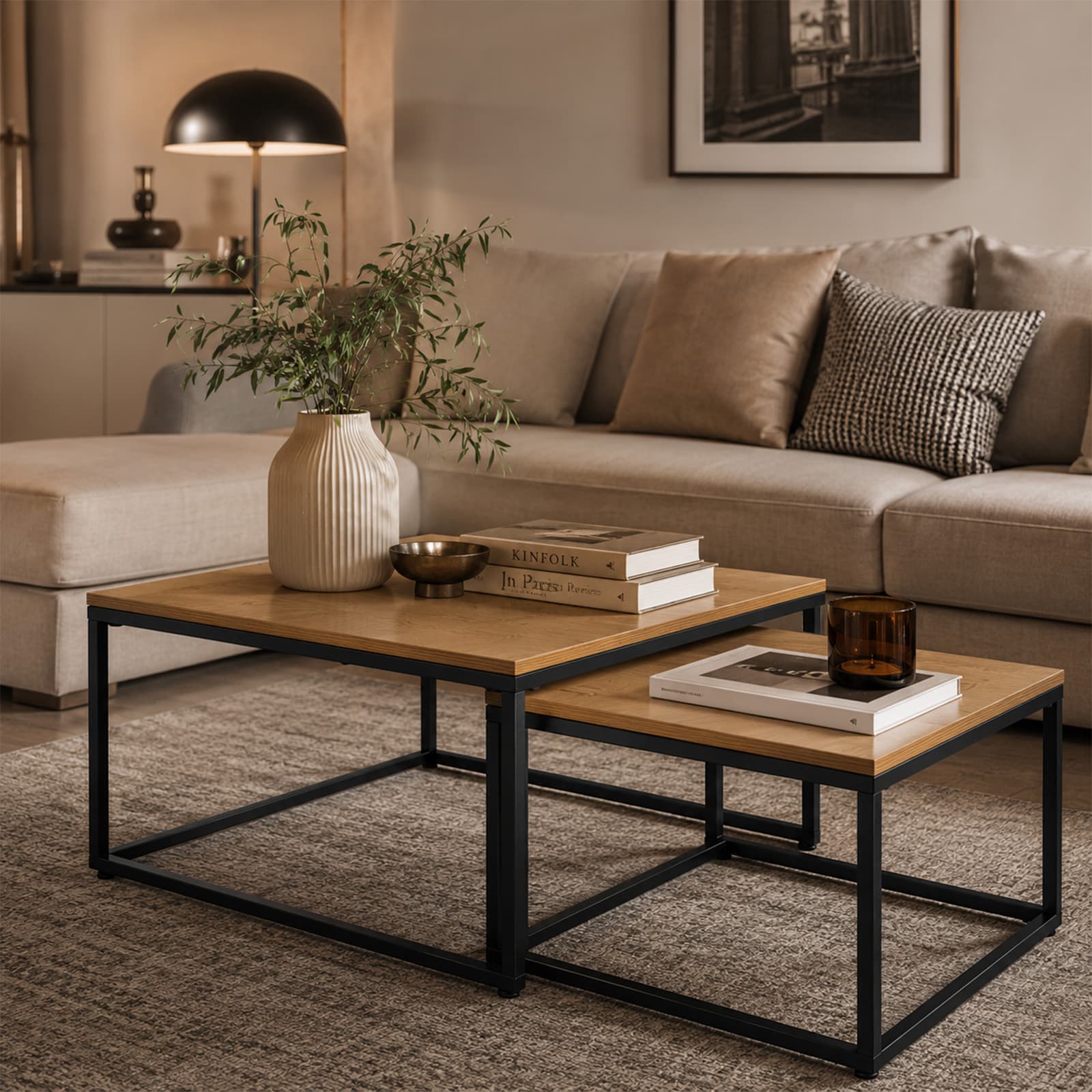
Modular furniture consists of individual components or units that can be combined, rearranged, expanded, or configured in different ways.
Instead of selling only one fixed furniture configuration, modular design allows products to adapt to changing needs.
Examples include:
Modular storage cabinets
Modular shelving
TV storage systems
Flexible wardrobes
Modular desks
Multi-unit cabinets
Configurable living room furniture
The concept is especially relevant to modern homes where rooms may need to serve multiple purposes.
A living room, for example, may function as:
Entertainment space
Home office
Storage area
Reading area
Social space
Modular furniture can help users adapt their environment without replacing an entire furniture collection.
Several factors are contributing to the growth of modular furniture.
Urban housing is becoming increasingly space-conscious.
Apartments and smaller homes require furniture that can provide functionality without taking up unnecessary space.
Modular furniture can allow customers to select configurations according to the available room size.
People’s lifestyles are becoming more flexible.
A person may work from home one day, use the same space for entertainment later, and need additional storage as their household changes.
Furniture therefore needs to adapt.
Consumers increasingly expect products that match their individual preferences.
Modular furniture can provide a degree of personalization without requiring completely unique products.
Customers may be able to choose:
Number of modules
Product width
Storage configuration
Open or closed compartments
Colors
Finishes
Modular design can also benefit furniture brands.
Instead of developing every product independently, a manufacturer can create a coordinated system of components.
For example, a storage collection could include:
Two-door cabinets
Three-door cabinets
Open shelving
TV units
Side cabinets
Tall storage units
The products can share common design elements while serving different consumer needs.
Sustainability and modularity are not separate concepts.
In many cases, they can complement each other.
A modular product can be designed so that individual components can potentially be replaced, reconfigured, or expanded rather than requiring the entire furniture product to be replaced.
For example, if a customer needs additional storage, a modular system may allow them to add another unit instead of buying an entirely new storage solution.
This approach can potentially extend the useful life of a furniture collection.
However, modular furniture must still be designed carefully.
Good modular design requires attention to:
Component compatibility
Structural stability
Connection systems
Material durability
Manufacturing precision
Packaging
Assembly
The sustainability benefits therefore depend on the actual product design and lifecycle.
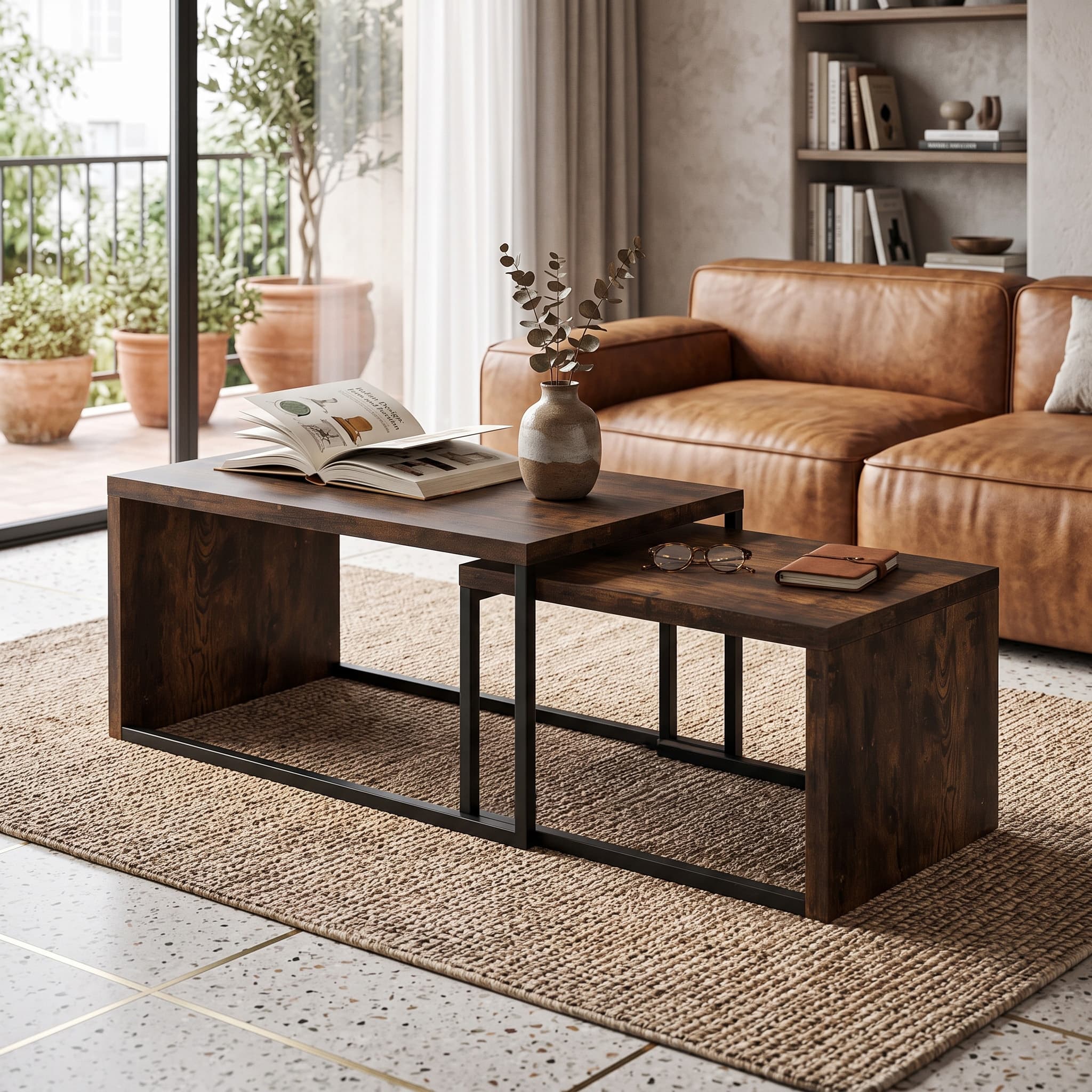
There is no single material that is automatically the best choice for every furniture project.
Instead, buyers should evaluate materials according to the intended application and market.
Important considerations include:
Material Performance
The material needs to provide suitable strength, stability, and durability for the product.
Environmental Requirements
Different markets may have different requirements for materials, emissions, certifications, or chemical content. Furniture brands should work with manufacturers that understand the requirements of their target markets.
Surface Finish
Finishes influence both appearance and product performance. A suitable finish should match the intended use of the furniture.
Cost
Sustainable materials and manufacturing processes need to be evaluated within the overall product cost structure.
For commercial furniture businesses, the goal is to balance: Sustainability + Performance + Design + Cost
One of the most practical ways to approach sustainable furniture is to focus on product longevity.
Customers generally want furniture that can withstand everyday use.
For manufacturers, this means paying attention to:
Structural design
Hardware
Panel quality
Connection systems
Surface protection
Assembly
For retailers and brands, durable products can also contribute to better customer satisfaction.
A product that performs consistently over time can help reduce returns, complaints, and negative customer experiences.
This is particularly important for online furniture businesses where customer reviews can significantly influence purchasing decisions.
Flat pack furniture and sustainable furniture can work together when packaging and product design are properly optimized.
Flat pack construction can support efficient logistics by allowing furniture components to be packed in compact configurations.
Potential benefits include:
Efficient transportation
Better warehouse utilization
Reduced packaging volume
Easier handling
More efficient container loading
However, sustainability should not be reduced to shipping volume alone.
A complete approach should consider:
Product materials
Packaging materials
Product durability
Manufacturing efficiency
Transportation
Product lifecycle
For furniture businesses, the best solution is to evaluate the entire supply chain rather than focusing on one factor.
Storage is one of the strongest applications for modular furniture.
Consumers often have different storage requirements depending on:
Room size
Household size
Lifestyle
Number of belongings
Interior layout
A modular storage collection can address these differences more effectively than a single fixed-size product.
For example, a modular collection could combine: Low Cabinet + Open Shelf + Tall Cabinet + TV Unit
Customers can then create different configurations based on their room.
This concept works well for:
Living rooms
Bedrooms
Home offices
Entryways
Dining areas
Explore our [Storage Furniture] collection for modern storage solutions.
The living room is another area where modular furniture can provide flexibility.
A coordinated modular collection may include:
TV stands
Coffee tables
Side tables
Storage cabinets
Bookshelves
Instead of treating each product as a separate item, brands can create a complete collection around a consistent design language.
This can help retailers create stronger merchandising strategies.
For example, an online furniture store can present customers with several configuration options rather than one fixed product.
Explore [Living Room Furniture] for modern furniture solutions designed for flexible residential spaces.
Bedroom furniture also provides significant opportunities for modular design.
A bedroom collection can combine:
Beds
Bedside tables
Wardrobes
Dressing tables
Storage cabinets
Modularity can be particularly useful when bedroom sizes vary between markets.
For international furniture brands, offering different widths, storage configurations, or complementary pieces can make a collection more adaptable.
Explore [Bedroom Furniture] for modern bedroom furniture solutions.
Modular furniture is not only useful for consumers. It can also provide advantages for furniture businesses.
Broader Product Collections
One modular system can support multiple product configurations.
Easier Collection Expansion
New components can potentially be added to an existing design language.
Flexible Market Positioning
Different combinations can be targeted at different price points or customer segments.
Better Customization
Customers can have more options without requiring every product to be completely unique.
Stronger Product Ecosystems
A modular collection can encourage customers to purchase complementary products over time.
For furniture brands, this creates an opportunity to move from selling individual products to developing complete furniture systems.
For retailers, wholesalers, importers, and e-commerce brands, choosing a sustainable furniture supplier requires more than asking whether a product is “eco-friendly.”
Consider the following questions.
Ask about material specifications and sourcing requirements.
Understand the manufacturer’s production process and quality-control procedures.
Evaluate structural design, hardware, finishes, and intended usage.
For international shipping, packaging should balance product protection with material and volume efficiency.
A flexible manufacturer can help adapt materials, dimensions, finishes, and packaging to different market requirements.
Different markets may have different product and material requirements. A manufacturer with international experience can help buyers identify relevant requirements during product development.
OEM and ODM manufacturing can provide additional flexibility when developing sustainable and modular furniture collections.
With OEM furniture manufacturing, buyers can provide their own product designs and specifications. This can be useful for brands that already have a clear sustainability or modularity strategy.
With ODM furniture manufacturing, buyers can work with existing product concepts and customize them according to their market requirements. This can help retailers and e-commerce businesses develop modular collections more efficiently.
Customization can involve:
Dimensions
Materials
Finishes
Hardware
Storage configurations
Packaging
Branding
If you are developing a customized furniture collection, explore our [OEM & ODM Furniture] services.
As the furniture industry develops, sustainability is likely to become increasingly integrated into product development rather than treated as a separate marketing feature.
Several trends are particularly relevant.
More Durable Products
Brands are increasingly focused on furniture that can provide long-term value.
More Efficient Materials
Manufacturers are looking for ways to optimize material usage and reduce unnecessary waste.
Smarter Packaging
Packaging is becoming more important as international furniture logistics become more complex.
Modular Product Systems
Modular collections can offer flexibility while creating opportunities for longer-term product use.
Natural-Looking Finishes
Wood textures, warm surfaces, and natural visual elements continue to influence modern furniture design.
Multi-Functional Furniture
Products that combine multiple functions can help customers make better use of limited space.
These trends are not isolated. They are part of a broader movement toward furniture that is more adaptable and practical.
For businesses developing a new furniture range, the following process can provide a useful starting point.
Identify:
Target country
Customer profile
Price segment
Room type
Lifestyle requirements
Decide whether the collection should be:
Modular
Multi-functional
Space-saving
Coordinated
Expandable
Evaluate materials based on:
Performance
Appearance
Sustainability requirements
Cost
Target market
Test:
Structure
Dimensions
Assembly
Hardware
Functionality
For international furniture, packaging should be designed together with the product rather than treated as an afterthought.
Inspect materials, components, assembly, finishes, and packaging before mass production.
Once the core products are validated, additional modules or complementary products can be developed around the same design language.
Developing sustainable and modular furniture requires a manufacturer that understands both product design and scalable production.
Fenzo Furniture provides KD and flat pack furniture manufacturing as well as OEM and ODM services for international furniture businesses.
Its product range covers multiple categories, including living room, bedroom, storage, dining, kitchen, bathroom, and home office furniture.
This allows brands and retailers to develop coordinated furniture collections rather than sourcing individual products from unrelated suppliers.
Fenzo can support customization in areas such as:
Product dimensions
Materials
Colors
Surface finishes
Hardware
Product configurations
Packaging
Branding
For businesses developing a new modular furniture system or sustainable furniture collection, early communication with the manufacturer can help ensure that the design is suitable for scalable production.
Explore [Fenzo Furniture Products] or learn more about [OEM & ODM Furniture] to discuss your product development requirements.
What is sustainable furniture?
Sustainable furniture is designed and manufactured with consideration for materials, durability, resource efficiency, production, packaging, transportation, and product lifecycle.
What is modular furniture?
Modular furniture consists of individual units or components that can be combined, rearranged, expanded, or customized to suit different spaces and requirements.
Is modular furniture sustainable?
Modular furniture can support longer product use and flexible configurations when it is designed for durability, compatibility, repair, replacement, or expansion. However, the sustainability of a product depends on its complete lifecycle and manufacturing process.
What materials are used in sustainable furniture?
Materials vary depending on the product. Furniture manufacturers may consider wood-based materials, recycled or recyclable components, durable hardware, and other materials that meet the requirements of the target market.
Why is modular furniture becoming more popular?
Modular furniture provides flexibility for different room sizes, lifestyles, and changing customer requirements. It can be particularly useful for urban homes and smaller living spaces.
Is sustainable furniture more expensive?
Not necessarily. Cost depends on materials, construction, design complexity, production methods, order quantity, and other factors. Sustainable product development should balance environmental considerations with performance and commercial requirements.
Can modular furniture be customized?
Yes. Depending on the manufacturer, modular furniture can be customized in dimensions, configurations, materials, colors, finishes, hardware, and packaging.
Can sustainable furniture be made as flat pack furniture?
Yes. Sustainable furniture can be developed as flat pack furniture when the product structure, materials, packaging, and manufacturing process are appropriately designed.
The future of furniture is increasingly about flexibility, durability, and responsible product development.
Sustainable furniture responds to growing attention toward materials, product lifecycle, packaging, and manufacturing efficiency.
Modular furniture responds to changing lifestyles, smaller living spaces, customization, and the need for flexible interiors.
When these concepts are combined, furniture brands can create products that are not only visually appealing but also adaptable to different markets and customer requirements.
For retailers, wholesalers, importers, distributors, and e-commerce brands, the key is to work with a furniture manufacturer that understands the relationship between product design, materials, manufacturing, packaging, logistics, and long-term product performance.
Fenzo Furniture provides OEM, ODM, KD, and flat pack furniture manufacturing solutions for global furniture businesses.
Whether you are developing a modular storage system, a sustainable bedroom collection, or a complete furniture range, Fenzo can support your project from product development to scalable production.
Explore [Furniture Products], discover our [OEM & ODM Furniture] capabilities, or contact Fenzo to discuss your next furniture collection.
Online Message


