
Top Furniture Trends in 2026: Modular, Sustainable & Functional Design
The furniture industry is entering a new stage in 2026. Modern buyers are looking for more than attractive furniture—they want products that are functional, adaptable, durable, space-efficient, and increasingly responsible in terms of materials and production.
For furniture retailers, wholesalers, importers, distributors, and e-commerce brands, understanding these changes is important when developing new collections and selecting manufacturing partners.
From modular furniture and multifunctional storage to sustainable materials and warmer, more organic designs, several key trends are shaping the global furniture market in 2026.
In this article, we explore the most important furniture trends in 2026 and what they mean for furniture businesses sourcing products for different markets.
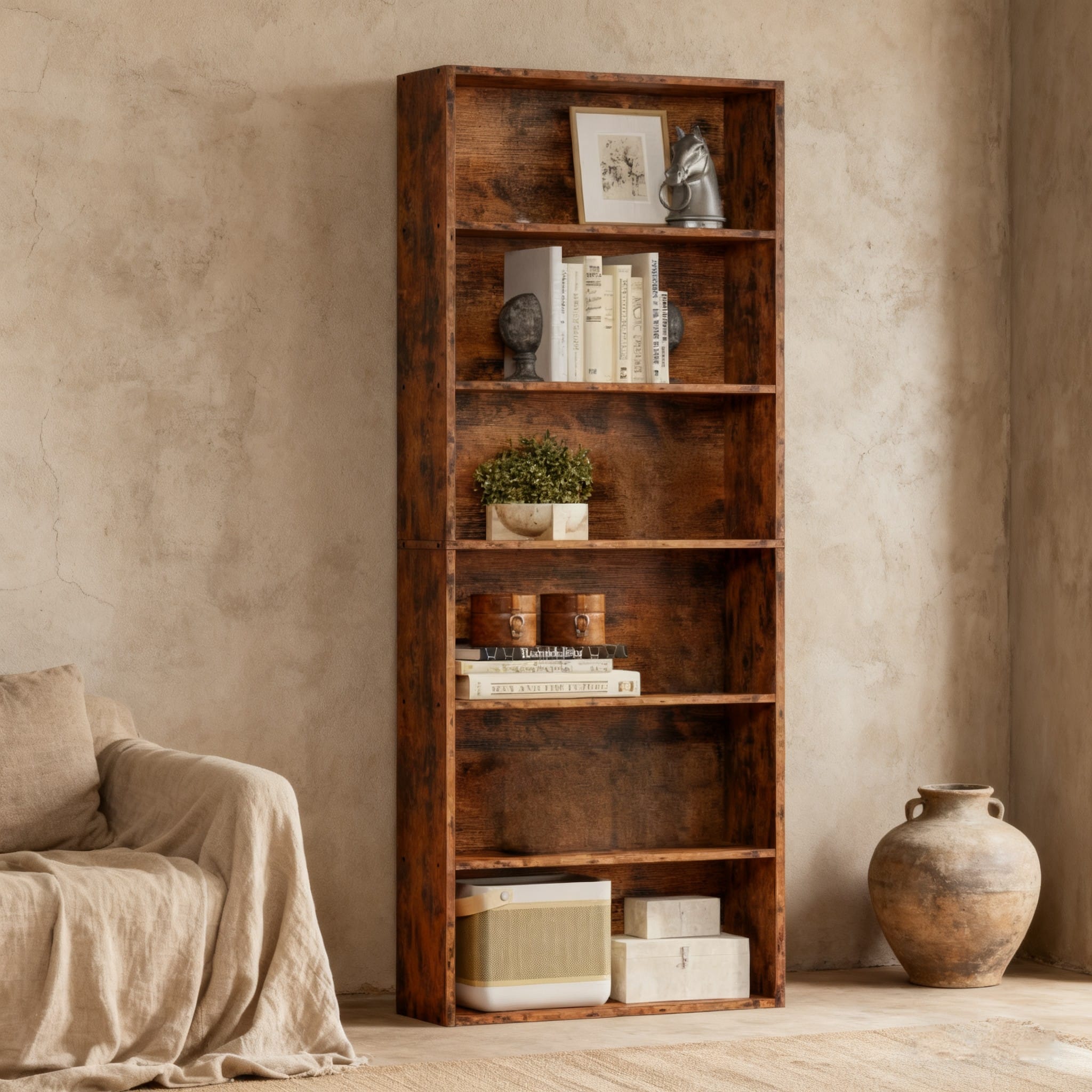
One of the most important furniture design trends in 2026 is the continued growth of modular furniture.
Instead of designing furniture as a fixed, single-purpose product, modular design allows individual components to be combined, rearranged, expanded, or adapted to different spaces.
This approach is particularly relevant as residential spaces become more flexible. Consumers may use the same room as a living area, workspace, storage area, or entertainment space depending on their daily needs.
Recent furniture showcases, including Milan Design Week 2026, highlighted modular systems and furniture that can adapt to different lifestyles and room configurations.
For furniture businesses, modular design can also create opportunities to build broader product collections around a common design language.
For example, a modern furniture collection could include:
Modular storage cabinets
TV stands
Bookshelves
Coffee tables
Bedroom storage
Kitchen storage solutions
This makes modularity more than a design feature—it can become a product development strategy.
For buyers looking for adaptable storage solutions, explore our [Storage Furniture] collection.
Another major furniture trend in 2026 is multifunctionality.
As homes and apartments become more compact, furniture needs to make better use of available space. Consumers increasingly expect one product to perform multiple functions without compromising its appearance.
Examples include:
Coffee tables with integrated storage
TV stands with multiple storage compartments
Beds with built-in storage
Desks with shelving
Extendable dining tables
Storage cabinets with flexible configurations
Dressing tables with integrated storage
Multifunctional furniture is especially valuable in urban housing, apartments, studios, and smaller homes.
Industry trend reports for 2026 continue to highlight multifunctionality and space-efficient furniture as important areas of development.
For furniture brands and retailers, this trend also creates opportunities to offer products that solve practical problems while maintaining a modern visual identity.
A well-designed multifunctional product can provide greater value to customers without requiring significantly more floor space.
Sustainability continues to influence furniture design and purchasing decisions in 2026.
However, sustainable furniture is no longer simply about using a particular material or adding an “eco-friendly” label. Buyers are increasingly looking at the entire product lifecycle, including material selection, durability, manufacturing processes, packaging, transportation, and product longevity.
At Milan Design Week 2026, recycled materials and more resource-conscious approaches were visible across new furniture launches, showing that sustainability remains an important part of contemporary furniture development.
For furniture manufacturers and brands, sustainable product development can involve:
Responsibly selected wood-based materials
Recycled or recyclable components
Durable hardware
Long-lasting construction
Efficient material utilization
Reduced packaging waste
More efficient transportation
Environmentally conscious finishes
The goal is not simply to make furniture look sustainable. It is to develop products that can provide practical value and durability over a longer lifecycle.
Fenzo Furniture also emphasizes eco-friendly materials, selected boards, durable hardware, and international environmental requirements as part of its manufacturing approach.
For businesses developing new furniture collections, material selection should therefore be considered from the earliest product-development stage.
Minimalist furniture is not disappearing in 2026, but its appearance is becoming warmer and more tactile.
Instead of extremely cold or purely functional minimalism, designers are increasingly combining clean forms with natural textures, wood tones, stone-inspired surfaces, warm colors, and tactile finishes.
The 2026 trend report from Blum highlights natural textures, wood surfaces, stone-inspired materials, and warm metals as important elements in contemporary interiors.
This trend can be seen across multiple furniture categories, including:
Coffee tables
TV stands
Storage cabinets
Bookshelves
Bedside tables
Dressing tables
Dining furniture
For furniture brands, warm wood tones and natural-looking finishes can also provide flexibility across different interior styles, from contemporary and Scandinavian-inspired interiors to Japandi and modern minimalist spaces.
Explore our [Living Room Furniture] collection for furniture designed for modern residential interiors.
Storage is one of the most practical areas where furniture design is evolving.
Modern homes need storage, but large and visually heavy storage systems can make a room feel smaller. As a result, furniture designers are increasingly looking for ways to integrate storage into products without compromising aesthetics.
This has increased interest in:
Multi-compartment TV stands
Wall-mounted storage
Modular cabinets
Open bookshelves
Closed storage cabinets
Bedroom storage
Kitchen storage islands
Entryway storage
Flexible storage is particularly important for smaller homes and apartments.
Instead of adding separate storage products throughout a room, multifunctional furniture can combine display, organization, and everyday use within a single product.
For furniture retailers, this also creates opportunities to develop collections around specific consumer needs rather than simply selling individual furniture pieces.
Another visible furniture design trend in 2026 is the growing interest in softer shapes and organic forms.
Curved furniture can make interiors feel more relaxed and approachable, especially when combined with warm materials and tactile surfaces.
While straight lines remain important for contemporary panel furniture, curves can be introduced through:
Rounded coffee tables
Curved cabinet details
Soft-edged storage furniture
Rounded mirrors
Organic tabletop shapes
Sculptural decorative elements
Current design coverage from major furniture events has also highlighted a movement toward softer silhouettes and more expressive forms.
For mass-market and wholesale furniture, however, the challenge is balancing visual appeal with manufacturing efficiency.
The most commercially successful designs are likely to combine contemporary shapes with practical construction, efficient packaging, and scalable production.
Space-saving furniture is closely connected with modular and multifunctional design.
As urban populations continue to live in apartments and smaller homes, furniture must deliver more functionality within a limited footprint.
This is particularly relevant for:
Small apartments
Student housing
Rental properties
Serviced apartments
Urban residential projects
Compact home offices
Popular solutions include storage beds, compact desks, nesting tables, multifunctional coffee tables, narrow cabinets, and vertically oriented storage.
For furniture businesses, space-saving products can also create opportunities to target specific market segments and room types.
For example, a compact bedroom furniture collection could combine a bed, bedside table, wardrobe, and dressing table around the same design language.
Explore our [Bedroom Furniture] range for modern furniture solutions designed around practical residential needs.
The boundary between home, office, and personal space continues to change.
A dining table may become a temporary workspace. A bedroom may need to accommodate a desk. A living room may function as an entertainment area, office, and storage space at different times of the day.
This creates demand for furniture that can support multiple activities.
Furniture manufacturers are therefore increasingly considering:
Integrated storage
Compact desks
Flexible shelving
Cable management
Multi-purpose tables
Modular configurations
Space-efficient furniture
This trend is particularly relevant to home office furniture and small-space furniture collections.
For retailers and e-commerce brands, flexible furniture can also create strong product positioning because it addresses a specific consumer problem rather than competing only on appearance.
Another important development for the furniture industry is the continued relevance of flat pack and ready-to-assemble furniture.
For consumers, flat pack furniture can provide easier transportation and assembly.
For retailers and e-commerce businesses, the advantages can extend to logistics and supply-chain management.
Flat pack furniture can help with:
More efficient packaging
Easier transportation
Better warehouse utilization
Container loading efficiency
Lower shipping volume
Easier last-mile handling
E-commerce fulfillment
This makes KD and RTA furniture particularly relevant for international furniture businesses.
However, successful flat pack furniture requires more than simply disassembling a product.
Product engineering, precision drilling, hardware selection, structural stability, assembly instructions, and packaging all influence the final customer experience.
Fenzo Furniture specializes in KD and flat pack furniture manufacturing and provides customized solutions for retailers, brands, wholesalers, importers, distributors, and e-commerce sellers.
If you are developing a new collection for international markets, our [OEM & ODM Furniture] services can help turn product concepts into scalable furniture solutions.
Furniture markets are becoming increasingly diverse.
A product that performs well in one country may require different dimensions, finishes, colors, packaging, or configurations in another market.
This is why customization and private-label manufacturing are becoming increasingly important for furniture brands.
Depending on the project, buyers may need customization in:
Product dimensions
Materials
Colors
Surface finishes
Hardware
Storage configuration
Product structure
Packaging
Branding
Assembly instructions
For established furniture brands, OEM manufacturing can help maintain an existing product concept while scaling production.
For retailers and new e-commerce brands, ODM manufacturing can provide a faster route to developing a customized furniture collection.
Fenzo Furniture provides OEM, ODM, private-label, customized design, and packaging solutions for international furniture businesses.
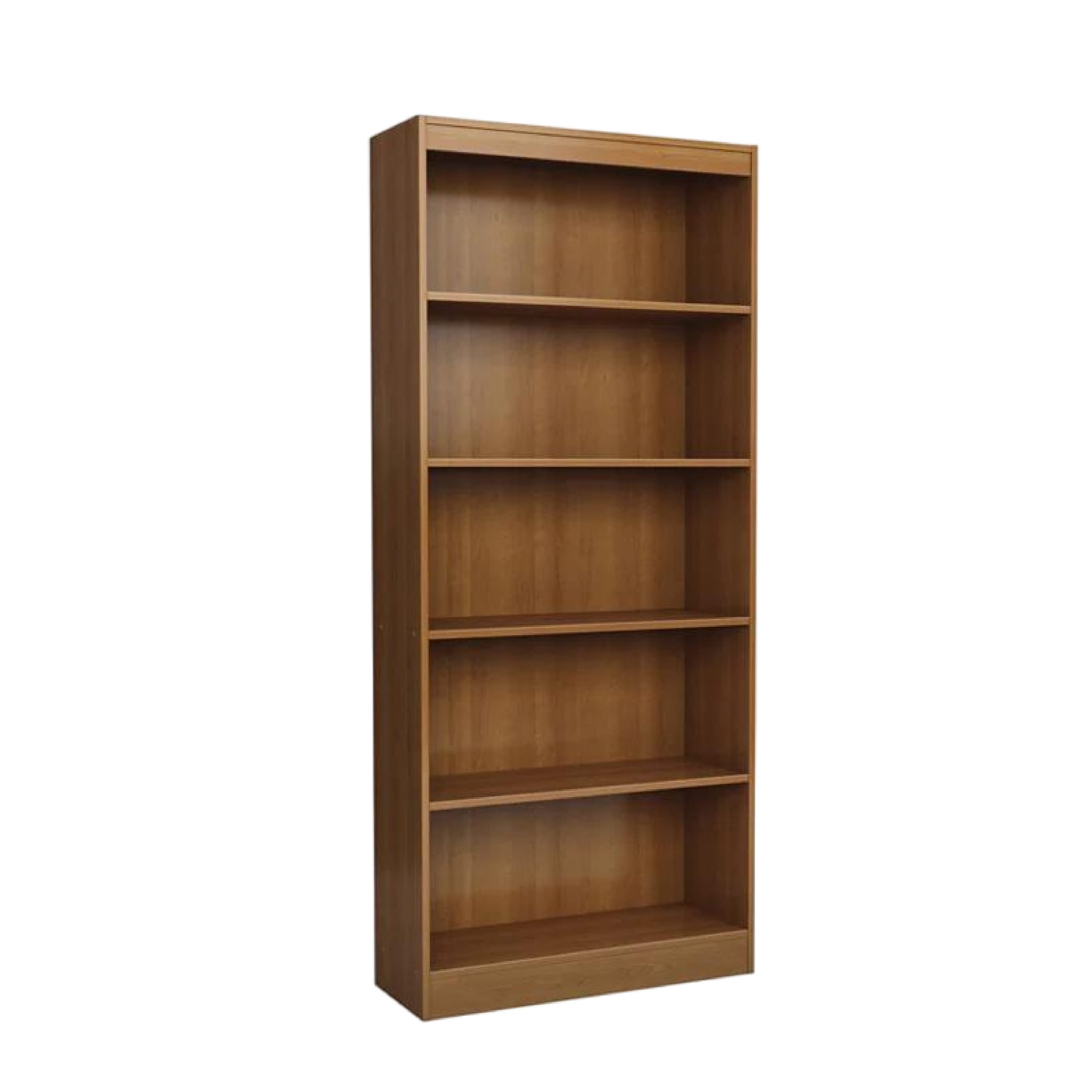
The biggest change in the furniture market is that design and manufacturing can no longer be considered separately.
A successful furniture product needs to balance several factors:
Design + Function + Manufacturing + Logistics + Sustainability + Market Requirements
For buyers, this means choosing a furniture manufacturer based on more than product appearance or factory price.
A reliable manufacturing partner should be able to support:
Product development
Material selection
Structural engineering
OEM/ODM customization
Quality control
Packaging
Production scalability
International logistics requirements
This is particularly important for retailers and e-commerce brands that need consistent quality across repeated orders.
When sourcing furniture for a new collection, consider the following questions:
A manufacturer with both OEM and ODM capabilities can support different stages of product development.
Check whether the factory can customize dimensions, materials, finishes, structures, and packaging.
For international e-commerce and wholesale furniture, packaging and assembly efficiency can have a direct impact on logistics costs and customer satisfaction.
Working with one capable supplier across living room, bedroom, storage, kitchen, bathroom, and home office categories can simplify sourcing and supply-chain management.
Consistency is particularly important for furniture brands placing repeat orders or developing private-label collections.
The furniture industry in 2026 is moving toward products that are more adaptable, functional, sustainable, and commercially practical.
The most important trends include:
Modular furniture
Multifunctional furniture
Sustainable materials
Natural textures and warm finishes
Flexible storage solutions
Curved and organic forms
Space-saving furniture
Flexible work-and-living solutions
Flat pack and RTA furniture
OEM and customized furniture
For furniture brands and global buyers, these trends represent more than changes in visual style. They reflect a broader shift toward furniture that can adapt to changing lifestyles, spaces, and market requirements.
As a professional KD and flat pack furniture manufacturer, Fenzo Furniture supports global customers with OEM and ODM manufacturing, customized furniture solutions, private-label production, and export-ready packaging.
Whether you are developing a new furniture collection, expanding an existing product line, or sourcing furniture for e-commerce and wholesale distribution, choosing the right manufacturing partner can help turn emerging furniture trends into commercially viable products.
What are the biggest furniture trends in 2026?
The biggest furniture trends in 2026 include modular furniture, multifunctional designs, sustainable materials, natural textures, flexible storage, space-saving furniture, curved forms, and customized furniture solutions.
Is modular furniture a major trend in 2026?
Yes. Modular furniture is becoming increasingly important because it allows products to adapt to different room sizes, layouts, lifestyles, and changing consumer needs.
Is sustainable furniture still popular in 2026?
Yes. Sustainability continues to influence furniture design and manufacturing, with increasing attention to material selection, durability, responsible production, packaging, and product lifecycle.
Why is multifunctional furniture becoming more popular?
Multifunctional furniture allows consumers to achieve more functionality within limited spaces. This makes it particularly useful for apartments, urban homes, home offices, and other compact living environments.
Is flat pack furniture suitable for e-commerce?
Yes. Flat pack furniture can offer logistics and packaging advantages for e-commerce businesses because products can be designed for efficient transportation, storage, and last-mile handling.
What should furniture buyers look for in a manufacturer?
Furniture buyers should consider manufacturing experience, OEM/ODM capabilities, customization options, quality control, materials, packaging, production capacity, lead times, and the supplier’s ability to meet international market requirements.
The future of furniture is not defined by one style. It is defined by adaptability.
From modular storage and multifunctional furniture to sustainable materials, space-saving designs, and efficient flat pack solutions, the furniture industry is responding to the way people live, work, and use space today.
If you are a retailer, wholesaler, furniture brand, importer, distributor, or e-commerce seller looking for a reliable manufacturing partner, Fenzo Furniture can support your next furniture project with customized OEM and ODM solutions.
Explore our [Furniture Products] and [OEM & ODM Furniture] solutions to start developing your next collection.
Online Message


